
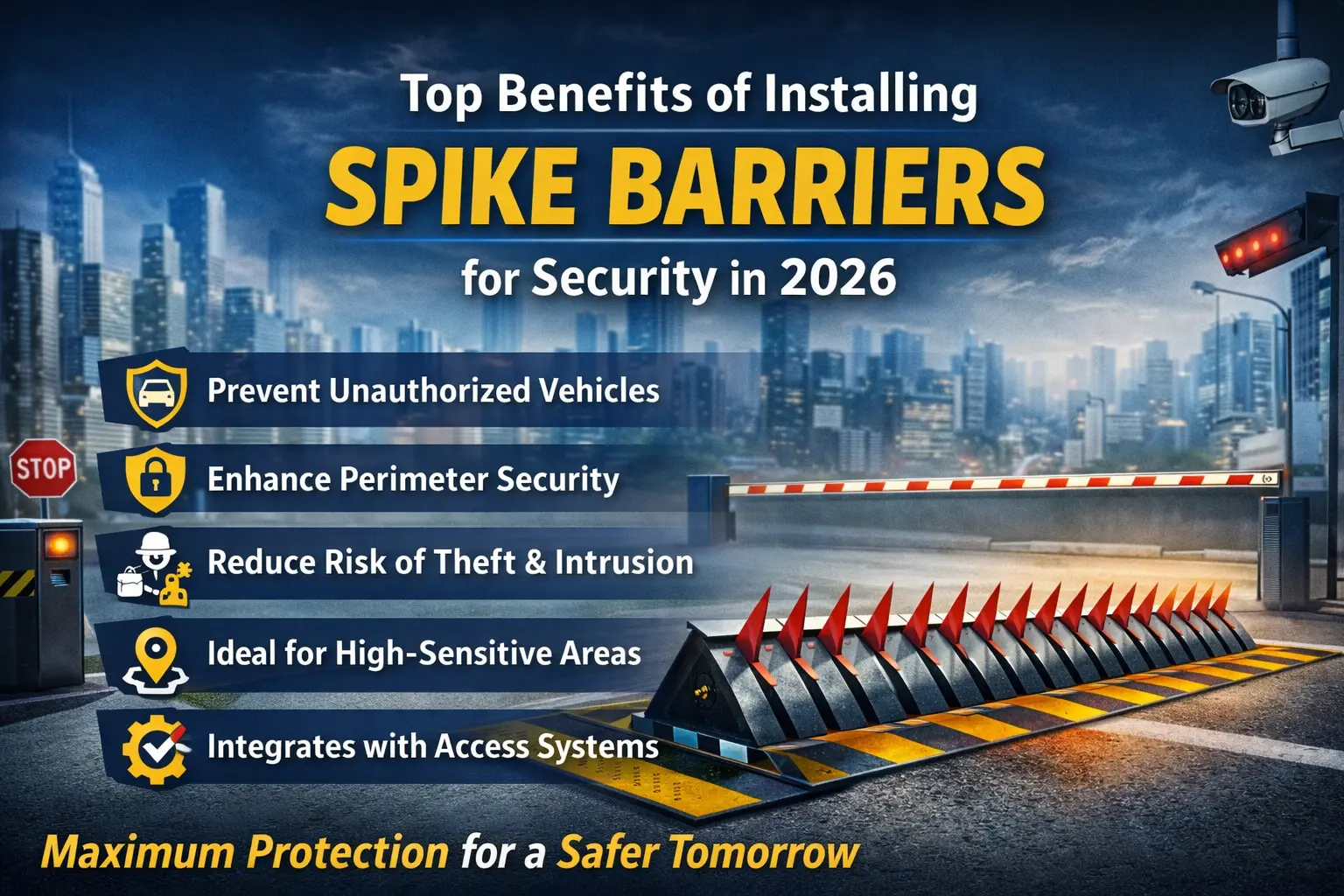
Whether you’re protecting a commercial facility, a government building, or a private estate, spike barriers remain one of the most dependable tools in modern perimeter security. Here’s what you need to know in 2026.
Physical security threats haven’t slowed down — they’ve grown more sophisticated. In 2026, organisations across the Middle East, Europe, and South Asia are investing in stronger perimeter control, and spike barriers are consistently at the top of that list. Also referred to as tyre killers, road blockers, or directional spike systems, these access control solutions offer a reliable first line of defence that no camera or alarm can replicate on its own.
In this guide, we’ll walk through the real-world benefits of spike barriers, explain where they work best, and help you understand why facilities managers and security consultants keep recommending them year after year.
Why Spike Barriers Are Still a Top Security Investment
The core appeal of a spike barrier system is straightforward: it physically stops unauthorised vehicles from entering a controlled zone. But the benefits go well beyond that simple function. Here’s a structured look at the key advantages:
Benefit 01
Immediate Physical Deterrence
Visible spike systems stop vehicles before they reach your perimeter, discouraging threats at the approach stage.
Benefit 02
Controlled Vehicle Access
Allow authorised vehicles through in seconds while keeping unauthorised traffic completely blocked.
Benefit 03
Works in All Conditions
High-quality spike barriers function reliably in extreme heat, rain, and dust — built for demanding environments.
Benefit 04
Low Maintenance Costs
Compared to boom barriers or security personnel, spike systems require minimal upkeep and fewer ongoing costs.
Benefit 05
Scalable to Any Facility
From a single entry lane to a multi-gate campus, spike barriers scale cleanly without complex infrastructure.
Benefit 06
Integrates with Access Control
Modern systems connect with RFID cards, remote controls, intercoms, and CCTV for seamless management.
1. Immediate Physical Deterrence — The Most Visible Benefit
One thing that digital security tools can’t replicate is the physical, visible presence of a spike barrier. When a driver approaches a facility and sees a raised row of hardened steel spikes, the message is immediate and unambiguous: unauthorised access is not possible here.
This deterrence factor matters enormously. Security research consistently shows that visible barriers reduce opportunistic intrusion attempts significantly — not because every would-be intruder is stopped by force, but because many never attempt entry at all. A spike road barrier signals that a facility takes its security seriously, which in turn raises the risk calculation for anyone with bad intent.
For facilities like fuel depots, data centres, embassies, and logistics hubs, this upfront deterrence is a critical layer in a defence-in-depth strategy.
2. Precise Vehicle Access Control Without Slowing Operations
A common concern among operations managers is that security measures will bottleneck vehicle movement. Modern spike barrier systems are designed to eliminate this trade-off.
Directional spike barriers — which allow vehicles to exit freely while blocking entry — are especially effective at busy exit points. For entry points, automated systems can lower spikes within seconds upon credential verification, maintaining a smooth flow for deliveries, employees, and authorised visitors.
“The best access control solution is one that authorised users barely notice — and that unauthorised users find completely impassable. Spike barriers strike that balance better than almost any alternative.”
When integrated with RFID readers, boom gates, or guard intercom systems, spike barriers become a seamless part of a layered access control ecosystem rather than a standalone bottleneck.
3. Built to Withstand Harsh Environments
Many security hardware solutions struggle in extreme conditions — high temperatures warp components, sand and dust clog mechanisms, and heavy rainfall causes electrical faults. Quality spike barriers are engineered specifically to avoid these failure points.
At Etradefia, our spike barrier systems are built from galvanised steel or stainless steel with corrosion-resistant coatings, making them highly durable in desert climates, coastal environments, and industrial zones. For facilities in the GCC region, where temperatures can exceed 45°C, this thermal resilience is not a nice-to-have — it is essential.
What to look for in a durable spike barrier system:
When evaluating products, prioritise systems with stainless or galvanised steel spikes, weather-sealed hydraulic or electromechanical actuators, a low-profile housing that minimises debris accumulation, and a reliable fail-safe mode (spikes down or up, depending on your security policy) in the event of a power outage.
4. Lower Long-Term Costs Than Many Alternatives
When facility managers compare security options on a total cost of ownership basis, spike barriers regularly outperform alternatives. Consider the comparison:
| Security Option | Initial Cost | Ongoing Cost | Physical Stop Capability |
|---|---|---|---|
| Spike Barrier System | Moderate | Low (minimal maintenance) | Yes — high |
| Manned Security Guard Post | Low | High (salaries, shifts, turnover) | Limited (human error) |
| Bollards (Fixed) | Moderate | Very low | Yes — but no access control |
| Boom Barrier Gate | Moderate | Moderate (mechanical wear) | No — easily rammed through |
| CCTV + Alarm Only | Low–Moderate | Moderate (monitoring staff) | No — detection only |
The key differentiator is that a spike barrier actually stops vehicles — it doesn’t just detect or deter. And once installed correctly, a quality system requires very little intervention for years.
5. Flexible Installation for Different Entry Types
One of the reasons spike barriers are so widely adopted is their installation flexibility. They work across a wide range of entry types and facility sizes.
| Facility Type | Recommended Configuration |
|---|---|
| Corporate office complex | Bidirectional automated spike system at main gate + directional at exit |
| Petrol / fuel station | Directional exit spikes to prevent drive-offs without bollard obstruction |
| Government or embassy building | High-security fixed + retractable system with anti-terrorist rating |
| Logistics / warehouse facility | Wide-lane systems with remote management for high vehicle throughput |
| Hotel or hospitality venue | Flush-mounted low-profile spikes that are discreet but functional |
| Residential community / villa | Single-lane compact system with remote or RFID control |
6. Integration With Modern Security Ecosystems
In 2026, no security component should operate in isolation. The best spike barrier systems are designed to communicate with your wider security infrastructure — not bolt onto it awkwardly.
Modern spike road barriers can be integrated with RFID and proximity card readers, licence plate recognition (LPR) cameras, central access control management software, guard intercom and interlock systems, and emergency vehicle override protocols. This integration transforms a spike barrier from a simple mechanical device into an intelligent node in your facility’s security network.
7. Compliance and Liability Protection
For many facility managers, especially those operating in regulated industries — petrochemical, banking, healthcare, and government — having documented physical access controls is not optional. It’s required for compliance with ISO 27001, local safety regulations, and insurance underwriting requirements.
Installing a certified spike barrier system demonstrates due diligence. It provides documented evidence that unauthorised vehicle access was actively prevented, which can be decisive in the event of an incident or insurance claim.
Frequently Asked Questions About Spike Barriers
What is the difference between a spike barrier and a road blocker?
A spike barrier uses raised metal spikes to puncture the tyres of any vehicle that drives over it without authorisation. A road blocker is a heavy-duty rising platform designed to stop vehicles through physical obstruction, even at high speed. Both serve perimeter security but suit different threat levels and budgets.
Can spike barriers be used in both directions?
Yes. Bidirectional spike barriers can be set to raise or retract from either direction, giving you full control over both entry and exit lanes. Directional (one-way) systems are also available for exit-only or entry-only control, such as preventing drive-off theft at fuel stations.
How much maintenance do spike barriers require?
Quality systems typically require a routine inspection every 6–12 months, lubrication of moving parts, and occasional replacement of individual spike elements after heavy use. Compared to manned guarding or electronic barriers with complex mechanisms, the maintenance burden is low.
Are spike barriers suitable for high-traffic entry points?
Absolutely. Automated spike barriers with fast actuation speeds (typically 3–5 seconds) are widely used at high-traffic facilities including logistics centres, hospitals, and corporate campuses. When paired with RFID or LPR systems, authorised vehicles experience minimal delay.
Final Thoughts: Is a Spike Barrier Right for Your Facility?
If your facility has vehicle entry points that need to be controlled — and most commercial and institutional facilities do — a spike barrier system is one of the most cost-effective, reliable, and operationally sound investments you can make in 2026.
They offer visible deterrence, genuine physical stopping power, integration with modern access control systems, and long service life with minimal maintenance. Whether you’re upgrading an existing setup or designing security for a new facility from scratch, spike barriers deserve a place in your planning.
At Etradefia, we supply and support a full range of perimeter security solutions — including spike barriers, road blockers, and vehicle access control systems — for facilities across the region. Our team can help you identify the right configuration for your entry points, traffic volumes, and security requirements.
Ready to improve your facility’s perimeter security? Our security consultants are available to assess your site and recommend the right spike barrier system for your needs.

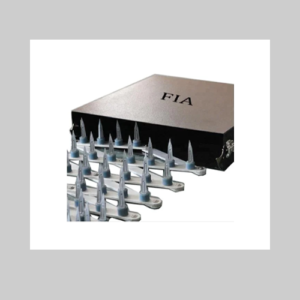 Spike Barrier 400P
 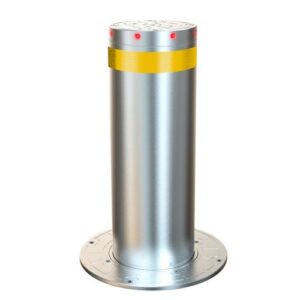 Automatic Hydraulic Bollard 220
 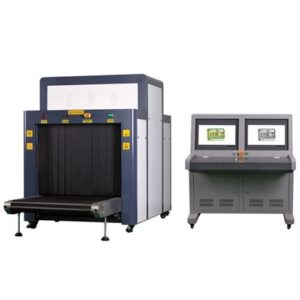 X-Ray Baggage Scanner 1080
 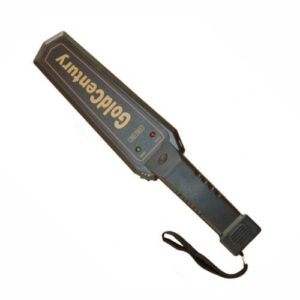 HHMD 200
 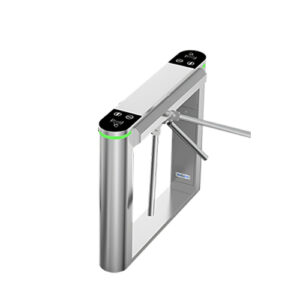 TURNER B250
 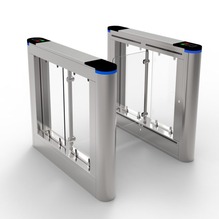 FLIP SW10
 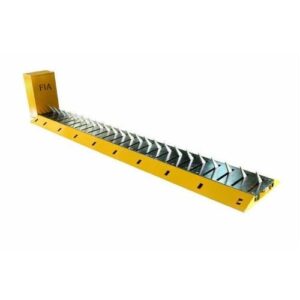 Spike Barrier 400M
 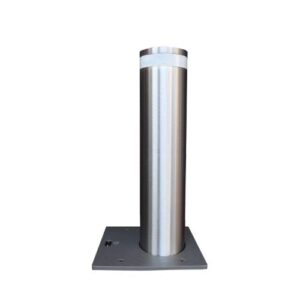 Automatic Hydraulic Bollard 168
 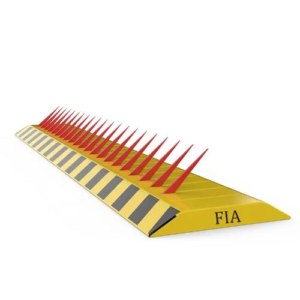 Spike Barrier 400H
 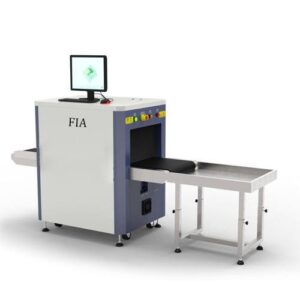 X-Ray Baggage Scanner 8065