
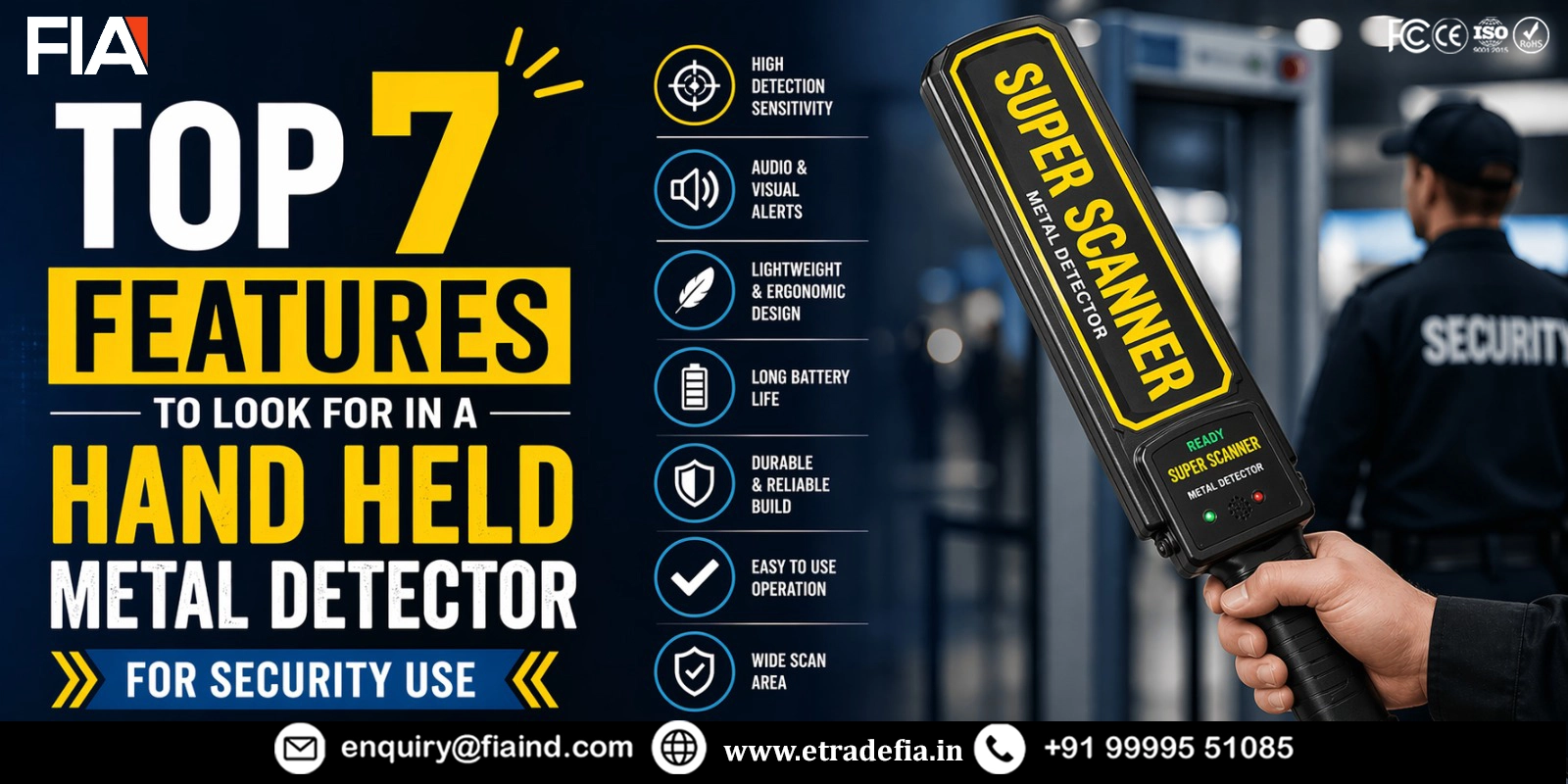
When it comes to maintaining safety at airports, schools, hotels, events, and public venues, a hand held metal detector is one of the most reliable and cost-effective tools a security team can deploy. But not all handheld detectors are built the same. Choosing the wrong one can mean missed threats, excessive false alarms, or equipment that fails you under pressure.
Whether you’re a security manager, event organizer, or procurement professional, this guide walks you through the 7 most critical features to look for before investing in a handheld security metal detector — backed by real-world application knowledge and industry best practices.
Why the Right Handheld Metal Detector Matters
Security threats don’t announce themselves. When a person walks through your entrance, your security personnel has only a few seconds to make a judgment call. A high-quality handheld metal detector gives your team the sensitivity, speed, and reliability needed to do that job accurately and efficiently.
The global security screening market has grown considerably over the past decade, and demand for portable, durable detection equipment has surged across industries — from corporate offices and courthouses to concerts and border checkpoints. With so many models available, understanding what separates a professional-grade unit from a basic consumer device is essential.
Let’s break down the seven features that matter most.
1. Detection Sensitivity and Adjustable Threshold Levels
The most fundamental job of any handheld metal detector is to detect metal — and to do it reliably. Detection sensitivity refers to how small or deeply concealed a metal object the device can identify.
For professional security use, you want a device that can detect:
- Small concealed blades and knives
- Handguns, even partially disassembled
- Needle-thin metallic objects like shanks or improvised weapons
- Metal traces inside clothing or body cavities (in high-security environments)
However, raw sensitivity alone isn’t the whole picture. An overly sensitive detector with no adjustability will trigger on belt buckles, underwire bras, and shoe inserts — creating queue congestion and alert fatigue among your security staff.
Look for a handheld metal detector that offers adjustable sensitivity thresholds, allowing operators to fine-tune detection levels based on the security context. A courtroom requires different settings than a concert venue or a school gate.
2. Audio and Visual Alarm Systems
In noisy environments — think outdoor festivals, busy airports, or crowded stadiums — a detector that only produces sound may not be enough. The best handheld security metal detectors feature dual alarm systems that combine:
- Audible alerts (a beep or tone) of varying volume levels
- LED visual indicators (typically red for detection, green for clear)
- Vibration alerts for discreet operation in quiet settings such as libraries, courtrooms, or places of worship
Vibration mode is a frequently underrated feature. It allows security personnel to maintain professionalism and discretion without drawing attention during routine screening — particularly important in high-profile events or sensitive environments.
When evaluating a unit, test all three alert types under realistic conditions. The audio should be loud enough to hear clearly over ambient noise, and the LED should be visible in bright daylight and low-light conditions alike.
3. Ergonomic Design and Lightweight Build
Security personnel may conduct hundreds — sometimes thousands — of screenings in a single shift. A heavy or awkwardly shaped metal detector doesn’t just cause physical fatigue; it affects precision, speed, and even staff morale over time.
Weight is a critical factor. Professional-grade handheld detectors typically weigh between 150g and 400g. Anything above that range can lead to wrist and shoulder strain during extended use.
Beyond weight, consider:
- Handle grip and balance: A well-balanced detector reduces wrist fatigue and allows for smooth, consistent sweeping motion
- One-handed operation: Security staff often need a free hand to manage bags, radio communication, or crowd control
- Compact form factor: Easier to maneuver in tight spaces, between layers of clothing, or around seated individuals
Ergonomics aren’t a luxury — they directly affect detection accuracy, because a tired operator with an unwieldy device is more likely to rush screenings or miss positioning cues.
4. Battery Life and Power Efficiency
A metal detector that dies mid-shift is worse than not having one at all. Battery performance should be a non-negotiable specification when selecting a handheld unit for professional security use.
Key battery benchmarks to look for:
- Minimum 40–60 hours of continuous operation on a fresh set of batteries
- Low battery warning indicator — ideally both visual and audible
- Standard battery compatibility (AA or AAA alkaline or rechargeable batteries) for easy field replacement without proprietary charging equipment
- Auto-shutoff feature to conserve power when the device isn’t in use
Some premium models now feature USB-rechargeable battery systems, which can be practical for venue-based or stationary security teams. However, for mobile or field deployments, standard alkaline compatibility remains more reliable.
Always check the manufacturer’s rated battery life under active screening conditions — not standby mode — for an accurate operational picture.
5. Discrimination Capability and Reduced False Alarms
One of the most frustrating issues in security screening is the false positive — an alarm triggered by harmless everyday items like coins, keys, metal zippers, or wristwatches. While you never want to miss a genuine threat, excessive false alarms slow operations, erode trust in the equipment, and desensitize staff to alerts over time.
Advanced handheld metal detectors designed for serious security applications include ferrous/non-ferrous discrimination technology. This allows the detector to:
- Distinguish between weapon-grade metals (steel, iron, certain alloys) and common non-threat metals
- Reduce unnecessary alarms from foil packaging, medical implants, or costume jewelry
- Enable security staff to make faster, more confident screening decisions
Some high-end models also offer zone-based detection indicators, showing whether an alert is triggered at the tip, middle, or base of the wand — helping operators pinpoint the exact location of metal on a person without repetitive sweeping.
Reduced false alarms lead to faster throughput, which is essential at high-traffic venues without compromising the integrity of your security protocol.
6. Durability and Build Quality for Field Conditions
Security equipment gets dropped, bumped, exposed to weather, and used in high-stress situations on a daily basis. The physical durability of a handheld metal detector is not a secondary concern — it’s a core specification.
When evaluating build quality, look for:
- Shock-resistant housing: ABS plastic or reinforced polymer casing that can survive drops onto hard surfaces
- Water and dust resistance: At minimum, an IPX4 rating for splash resistance; higher ratings for outdoor or all-weather deployments
- Temperature tolerance: Quality detectors function reliably across a wide temperature range, from cold outdoor events to hot indoor venues
- Robust internal components: Look for brands that publish mean-time-between-failure (MTBF) data or offer commercial-grade warranties
Beware of units that feel hollow or lightweight in a cheaply constructed way. A thin shell may reduce weight but offers no protection against the physical demands of daily professional use. Durability and longevity translate directly into lower total cost of ownership — an important consideration for procurement decisions.
7. Safety Compliance and Certifications
This is perhaps the most important and most overlooked feature category. A handheld metal detector used in professional security must meet applicable safety and regulatory standards — both to protect the people being screened and to protect your organization from liability.
Key compliance checkpoints include:
- CE Certification (required for use in European markets)
- FCC Certification (required in the United States for electromagnetic compliance)
- Medical device compatibility: High-quality detectors are designed and tested to be safe for use around individuals with pacemakers, cochlear implants, and insulin pumps — a legal and ethical requirement in most jurisdictions
- NILECJ/ASTM standards compliance for law enforcement and correctional use cases
Additionally, if your security operation is subject to oversight from aviation authorities (such as BCAS in India, TSA in the US, or equivalent bodies), ensure the unit meets their specific equipment approval requirements.
Certifications are not just bureaucratic formalities. They indicate that the device has been independently tested for electromagnetic emission safety, detection accuracy, and operational reliability — giving you documented evidence of due diligence.
Bonus Tip: Brand Reputation and After-Sales Support
Beyond the seven features above, always consider the reputation of the manufacturer or supplier you’re purchasing from. Established brands with a history in the security equipment sector will offer:
- Genuine product warranties and clear return policies
- Replacement parts and consumables availability
- Technical support for calibration and troubleshooting
- Training resources for your security team
A reliable supplier relationship matters as much as the product itself — especially for organizations that manage fleets of devices across multiple locations.
Final Thoughts
Choosing the right HHMD for security use is a decision that affects the safety of your people, the efficiency of your operations, and the trust your stakeholders place in your security infrastructure. It’s not a decision that should be made on price alone.
By prioritizing detection sensitivity, alert systems, ergonomics, battery life, discrimination capability, build durability, and regulatory compliance, you ensure that the device you invest in will perform reliably under real-world conditions — shift after shift, year after year.
At eTradeFia, we stock a curated range of professional-grade handheld metal detectors designed for commercial and institutional security applications. Whether you’re equipping a single checkpoint or deploying devices across an entire facility, our team can help you find the right fit for your requirements and budget.
Looking for handheld metal detectors for your security setup? Browse our product range or contact the eTradeFia team for expert guidance and bulk pricing options.
 TURNER B250
  HHMD 300
  Spike Barrier 400H
 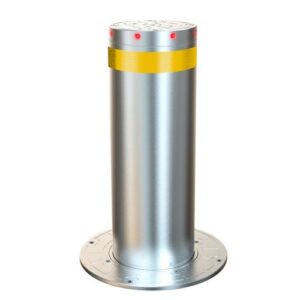 Automatic Hydraulic Bollard 220
 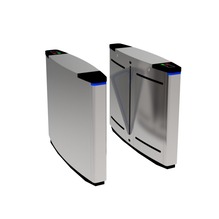 FLIP RT20
 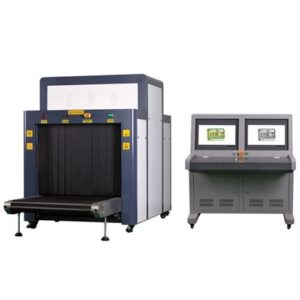 X-Ray Baggage Scanner 1010
 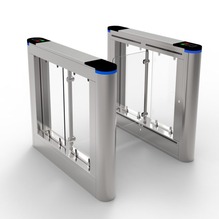 FLIP SW10
 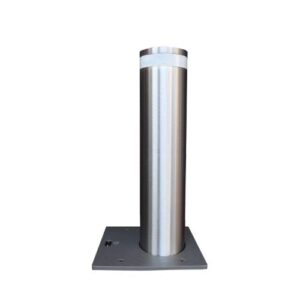 Automatic Hydraulic Bollard 168
 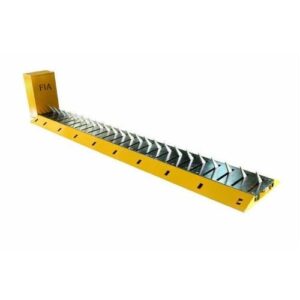 Spike Barrier 400M
 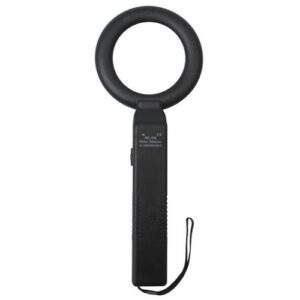 HHMD 50
 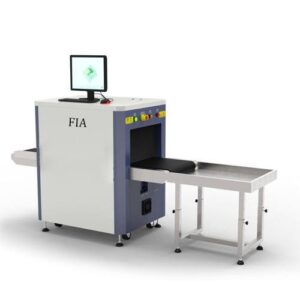 X-Ray Baggage Scanner 8065
 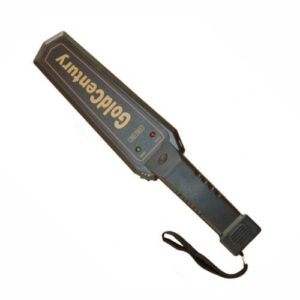 HHMD 200