
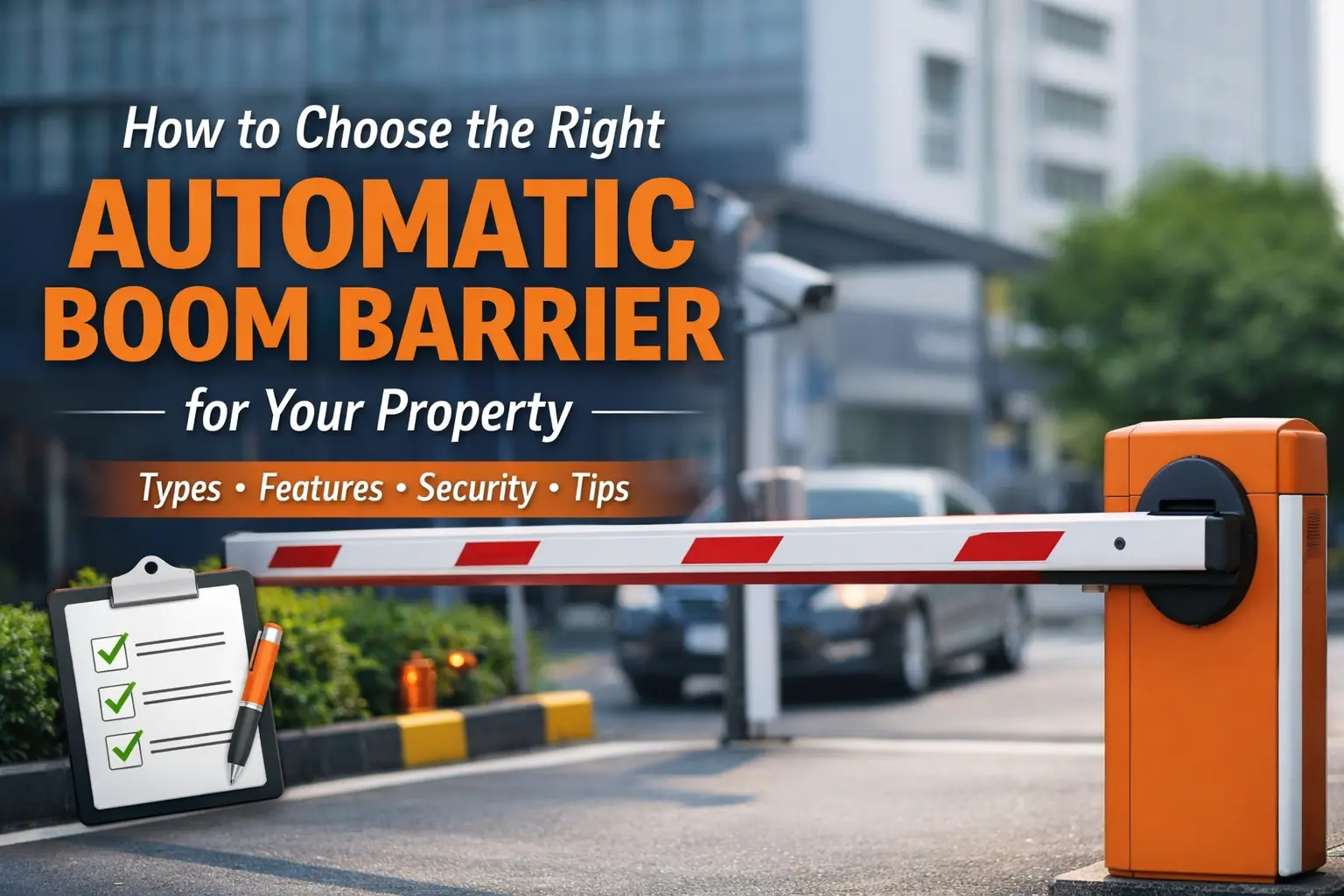
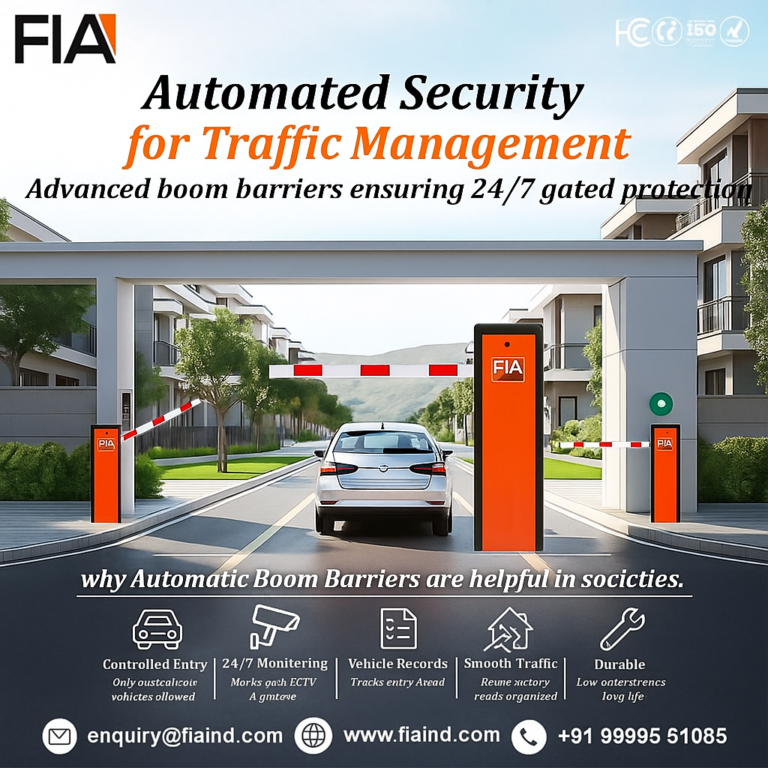
With rising vehicle density and increasing security concerns, managing vehicle entry and exit has become a major challenge for residential, commercial, and industrial properties. This is where an automatic boom barrier plays a crucial role. Whether it’s an apartment complex, office building, shopping mall, hospital, or industrial site, the right boom barrier improves safety, traffic flow, and operational efficiency.
However, not all boom barriers are the same. Choosing the right automatic boom barrier for your property requires careful evaluation of usage needs, environment, technology, and long-term maintenance. In this guide, we’ll help you understand how to select the best automatic boom barrier system that fits your property perfectly.
1. Understand Your Property Type and Usage
The first step in choosing the right automatic boom barrier is identifying where and how it will be used.
- Residential properties like apartments and gated societies usually need smooth, low-noise operation with moderate daily usage.
- Commercial properties such as offices, malls, and IT parks experience higher traffic and require faster opening and closing speeds.
- Industrial areas, toll plazas, and parking facilities demand heavy-duty boom barriers designed for continuous operation.
Understanding your traffic volume and usage frequency helps determine whether you need a standard-duty or high-duty boom barrier system.
2. Evaluate Traffic Flow and Lane Width
Traffic volume directly affects the type of boom barrier you should install.
Key questions to ask:
- How many vehicles pass daily?
- Is it a single-lane or multi-lane entry?
- Are heavy vehicles like trucks allowed?
For narrow lanes or controlled parking entry, single-lane automatic boom barriers are sufficient. For wider entrances or high-speed access points, you may need longer boom arms or multiple barrier systems to manage traffic smoothly.
3. Choose the Right Boom Arm Type
Boom arms come in different designs, and selecting the right one is essential for safety and efficiency.
Common options include:
- Straight boom arm – Ideal for most parking areas and gated entries.
- Folding boom arm – Best for locations with height restrictions, such as basements.
- Fence or skirted boom arm – Provides extra security and prevents tailgating.
Your choice should depend on available space, height clearance, and security level required.
4. Consider Operating Speed and Motor Type
Opening and closing speed is critical, especially for busy properties.
- Low-speed barriers work well for residential societies.
- High-speed automatic boom barriers are ideal for commercial complexes and toll plazas where traffic congestion must be minimized.
You should also choose between electromechanical and hydraulic boom barriers. Hydraulic systems are better for continuous operation and harsh environments, while electromechanical systems are cost-effective and suitable for moderate usage.
5. Safety Features Are Non-Negotiable
A good automatic boom barrier must prioritize safety for vehicles and pedestrians.
Look for features such as:
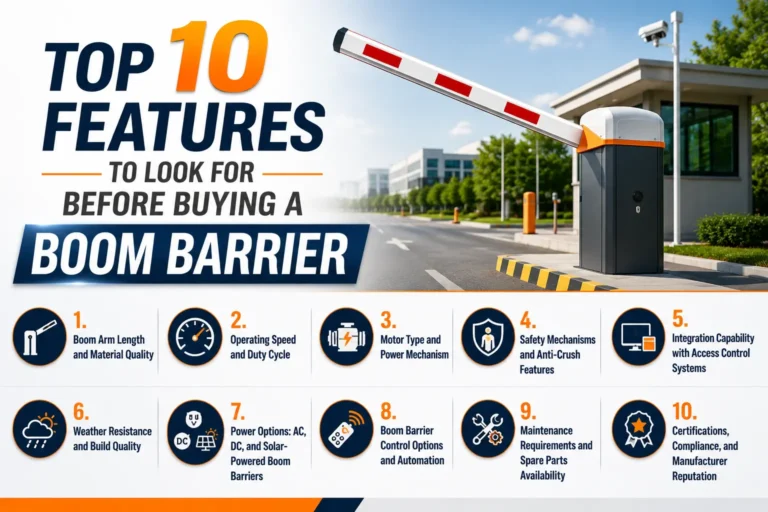
- Obstacle detection sensors
- Auto-reverse mechanism
- Emergency manual release
- LED indicators or reflective strips
These features reduce accidents and ensure smooth operation even during power failures or emergencies.
6. Integration with Access Control Systems
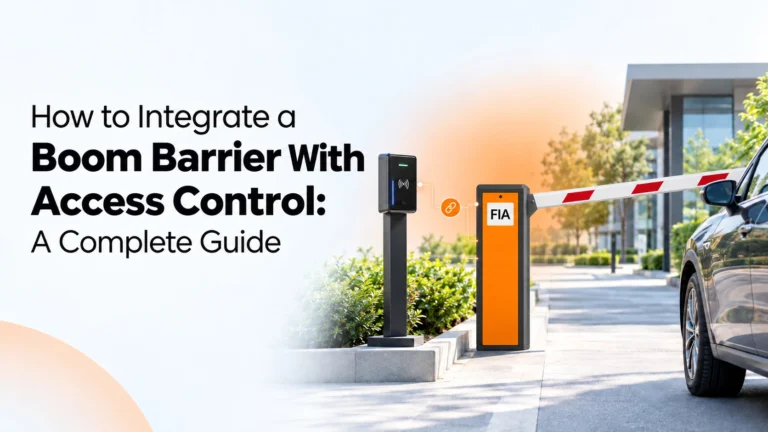
Modern properties often require more than just a basic boom barrier. Integration with access control technologies enhances security and automation.
Popular integrations include:
- RFID card readers
- Remote control operation
- License plate recognition (ANPR)
- Mobile app or cloud-based access
- Ticketing and parking management systems
If you plan to upgrade your security in the future, choose a boom barrier that supports easy system integration.
7. Environmental Conditions and Durability
Environmental factors play a big role in long-term performance.
If your property is exposed to:
- Dust or pollution
- Heavy rainfall
- Extreme heat
Then you need a weather-resistant automatic boom barrier with a durable housing, corrosion protection, and industrial-grade components. Choosing a reliable build quality reduces breakdowns and maintenance costs over time.
8. Power Supply and Backup Options
Power reliability is often overlooked but extremely important.
Check whether the boom barrier supports:
- Battery backup
- Solar power compatibility
- Low power consumption
A power backup system ensures uninterrupted operation during outages, especially in high-security or high-traffic locations.
9. Maintenance, Service, and Spare Parts
An automatic boom barrier is a long-term investment. Before purchasing, consider:
- Ease of maintenance
- Availability of spare parts
- Technical support and warranty
Choosing a trusted supplier like etradefia ensures access to quality products, technical guidance, and reliable after-sales support—making long-term operation hassle-free.
10. Budget vs Long-Term Value
While cost is important, selecting the cheapest option may lead to higher expenses later due to frequent repairs or replacements.
Instead, evaluate:
- Build quality
- Operational life
- Energy efficiency
- Support and warranty
A slightly higher upfront investment in a durable, feature-rich automatic boom barrier often results in lower total ownership cost.
Final Thoughts
Choosing the right automatic boom barrier for your property is not just about controlling vehicle entry—it’s about improving security, traffic management, and user experience. By considering property type, traffic volume, safety features, integration options, and long-term reliability, you can make an informed decision that benefits your property for years to come.
Whether you manage a residential complex, commercial facility, or industrial site, investing in the right boom barrier system ensures smoother operations and enhanced safety.

 HHMD 200
  X-Ray Baggage Scanner 1080