
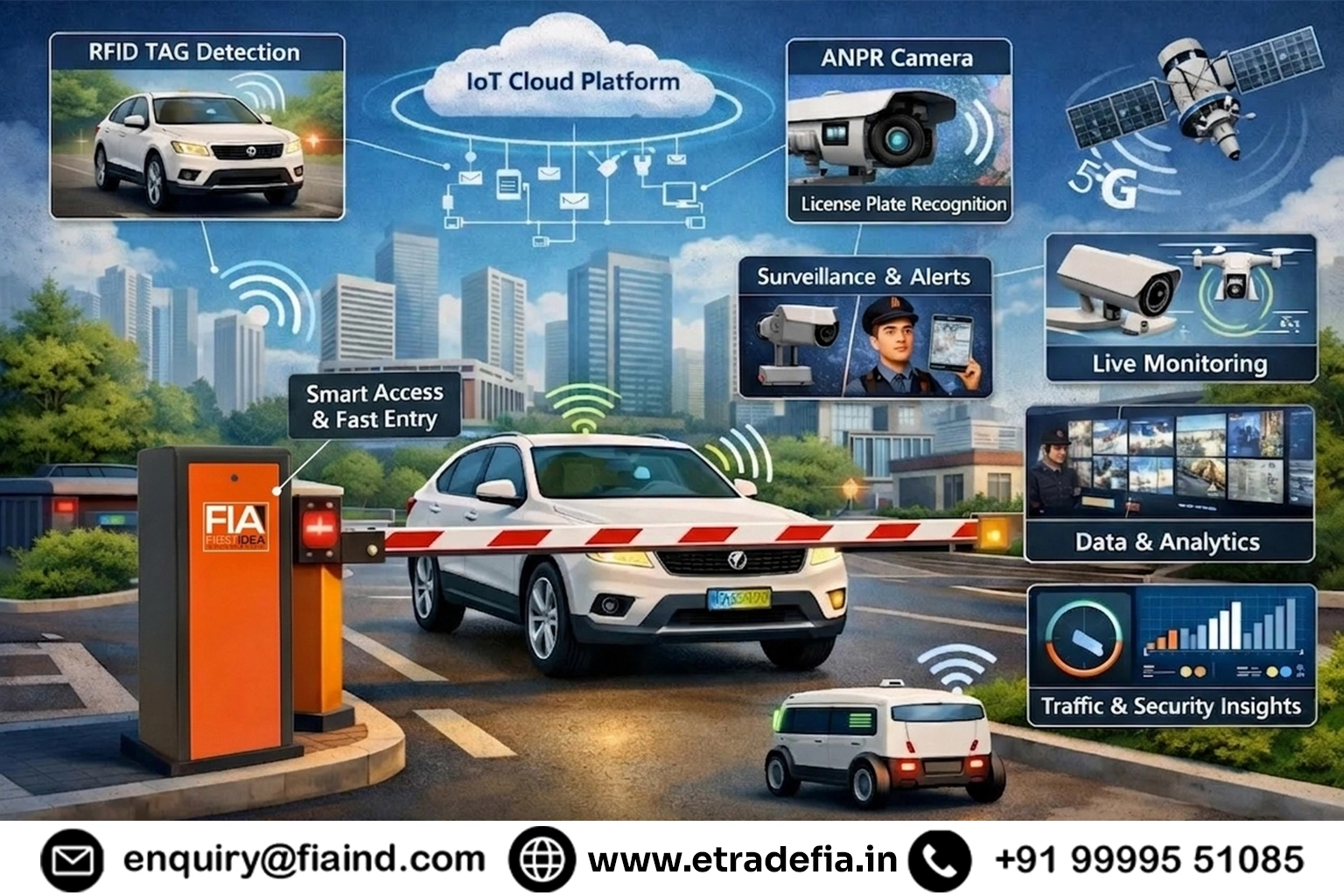
Access control has never stood still — but the pace of change accelerating through 2025 and into 2026 is something different entirely. The automatic boom barrier, once a simple electromechanical arm that lifted and lowered on command, has quietly evolved into a sophisticated node within a broader intelligent security ecosystem. At the heart of this transformation sit two technologies: Radio Frequency Identification (RFID) and the Internet of Things (IoT). Together, they are redefining what a barrier system can do, how it communicates, and how much value it delivers beyond simply blocking unauthorized vehicles.
At Etradefia, we work closely with facility managers, security directors, and infrastructure developers navigating this shift. What follows is an honest, experience-backed look at how these technologies are changing the landscape — and what it means for anyone planning a new installation or upgrading an existing one.
The Automatic Boom Barrier Has Changed — Here’s How
A traditional boom barrier operated on a straightforward trigger-response model. A button was pressed, a remote control was activated, or a loop detector sensed vehicle weight — and the arm moved. It was functional, but it was also isolated. It didn’t know what time it was, who was requesting access, or what was happening at the other entry points across the facility.
Today’s smart automatic boom barrier operates very differently. It is connected — to credential databases, to cloud platforms, to other devices on the network, and increasingly to the facility management software that governs the entire site. That connectivity is what transforms it from a passive gate into an active, intelligent layer of your security infrastructure.
RFID: The Foundation of Contactless Vehicle Authentication
RFID technology has been part of access control for years, but its application in boom barrier systems has matured significantly. The core principle remains the same: a tag attached to an authorized vehicle — typically a windshield sticker, dashboard card, or embedded transponder — communicates with a reader mounted near the barrier. When the system recognizes a valid tag, the arm lifts. When it doesn’t, the barrier stays down.
What’s changed is the speed, range, and intelligence of that process. Long-range UHF RFID readers can now authenticate a vehicle from several meters away, meaning the barrier is already lifting as the car approaches — eliminating the stop-and-wait friction that frustrated users in older systems. Authentication happens in under a second, and the event is simultaneously logged with a timestamp, a tag ID, and the direction of travel.
This audit trail is one of RFID’s most underappreciated advantages in a commercial context. Every entry and exit is recorded automatically, without relying on a security guard to log a vehicle manually. That data becomes valuable not just for security review, but for occupancy planning, shift management, and compliance reporting.
Modern systems also allow RFID credentials to be managed remotely. Adding a new authorized vehicle, suspending a tag that’s been reported lost, or setting time-based access restrictions for contractors — all of this can be done through a centralized dashboard without touching the physical barrier hardware.
IoT Integration: When Barriers Become Part of a Smarter System
If RFID handles the authentication layer, IoT handles the intelligence layer. An IoT-enabled automatic boom barrier doesn’t just respond to credentials — it communicates, learns, and adapts as part of a connected infrastructure.
In practical terms, this means facility managers can monitor every barrier on their site from a single dashboard, whether that site has two entry points or twenty. Real-time status alerts notify the operations team if a barrier arm is stuck, if a sensor has been triggered repeatedly, or if a power interruption has occurred at a remote gate. Maintenance becomes proactive rather than reactive — the system flags anomalies before they become failures.
Remote override capability is another significant operational benefit. Security personnel can open or close any barrier on the network from a mobile device, which is invaluable during emergency evacuations, VIP arrivals, or unexpected operational changes. There’s no longer a need for a staff member to physically attend the gate.
IoT connectivity also enables integration with complementary systems. A smart barrier installation can communicate with ANPR (Automatic Number Plate Recognition) cameras to cross-verify that the vehicle presenting an RFID tag matches the registered plate. It can connect with visitor management platforms so that a pre-registered guest receives automatic access at the appointed time without any human intervention. It can feed entry and exit data into parking management software to provide live occupancy counts and automate payment processing.
What the Market Is Telling Us in 2026
The numbers reflect a technology in its growth phase, not its infancy. The global automatic boom barrier market was valued at USD 1.5 billion in 2024 and is projected to reach USD 2.9 billion by 2033, growing at a compound annual rate of 8.3%. Smart integration with IoT, AI, and cloud-based platforms is identified as a primary driver of that growth.
Notably, a significant proportion of new barrier installations now include IoT connectivity as a standard specification rather than an optional upgrade. What was considered advanced two years ago is rapidly becoming the baseline expectation — particularly in commercial real estate, logistics, smart city infrastructure, and residential gated communities.
For procurement teams evaluating barrier systems today, this has a practical implication: selecting a non-connected barrier to save on upfront cost may mean a costly rip-and-replace project within three to five years as the expectations of tenants, clients, and regulatory frameworks evolve.
Real-World Applications Seeing the Greatest Benefit
The facilities gaining the most from RFID and IoT-enabled boom barriers share a common characteristic — they manage high vehicle volumes across complex access rules.
Large corporate campuses with multiple entry points and different access tiers for employees, contractors, and visitors benefit enormously from centralized credential management and real-time monitoring. Logistics and warehousing operators use automated access logging to meet compliance requirements and reduce gate-staffing costs. Residential communities leverage time-based RFID access to manage contractor visits during approved hours only. Hospitals use IoT integration to give emergency vehicles priority access through automatic barrier override triggered by an incoming alert.
In each case, the technology reduces the burden on human operators while raising the standard of control — a combination that’s difficult to achieve through any other means.
Choosing the Right System for Your Facility
Not every RFID or IoT-enabled barrier is equal, and the right configuration depends on your specific environment. Key considerations include the read range required for your vehicle approach speed, the credential format compatible with your existing access control platform, the bandwidth and connectivity available at your site for IoT communication, and the level of integration required with other security or management systems.
Etradefia provides detailed site assessments and technology consultations to help clients navigate these decisions without overshooting their requirements or locking themselves into a system with limited expandability. Our barrier solutions are selected for real-world performance, long-term reliability, and genuine compatibility with the platforms our clients already operate.
If you’re ready to move beyond the basic barrier and build a smarter entry infrastructure, our team is here to show you exactly what’s possible.
Etradefia is a specialist supplier of access control and security equipment, supporting commercial, industrial, residential, and government clients with technology solutions built for lasting performance.

 X-Ray Baggage Scanner 1010
  Spike Barrier 400M
  TURNER B250
 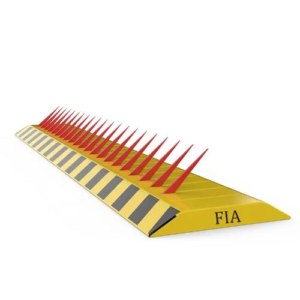 Spike Barrier 400H
 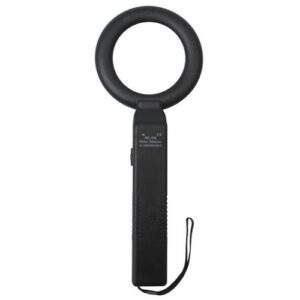 HHMD 50
 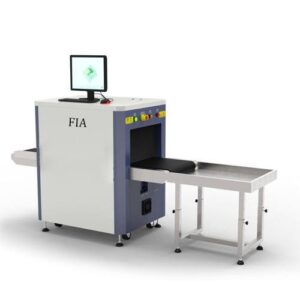 X-Ray Baggage Scanner 8065