
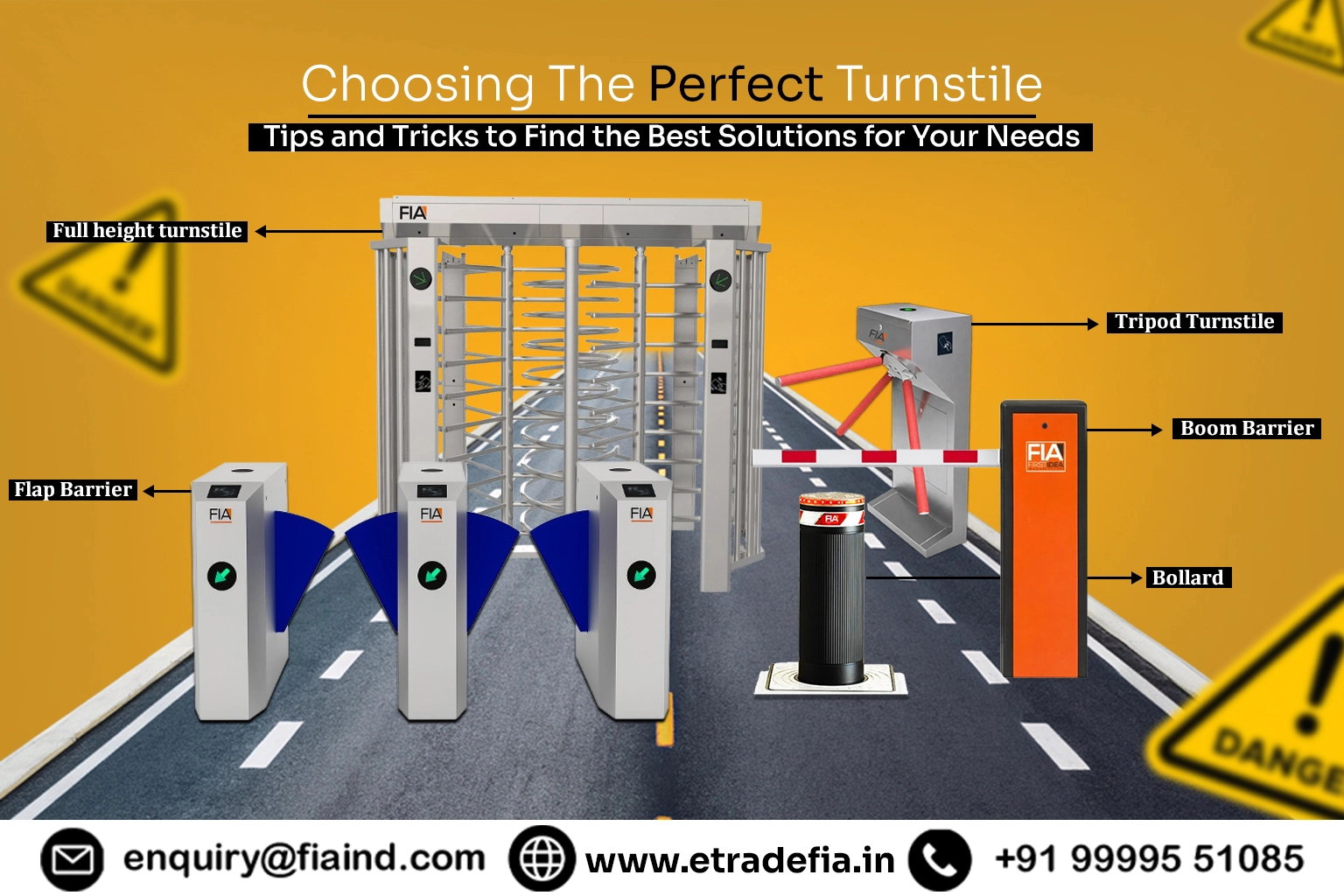
Access control is no longer optional in modern facilities. Whether it is a corporate office, metro station, stadium, or residential complex, controlling entry and exit is essential for safety, efficiency, and accountability. Turnstiles have become one of the most trusted solutions for managing pedestrian access. However, choosing the perfect turnstile requires careful planning, understanding your environment, and selecting the right features.
This guide will help you understand how to choose the best turnstile solution for your needs while also exploring how turnstiles work alongside systems like boom barrier, bollard, and flap barrier for complete security coverage.
Understanding What a Turnstile Is and Why It Matters
A turnstile is a mechanical or electronic gate designed to allow only one person to pass at a time. It helps regulate pedestrian movement, prevent unauthorized entry, and maintain order in high-traffic areas. Turnstiles can integrate with access control systems such as RFID cards, biometric scanners, QR codes, and face recognition devices.
The main benefits of using turnstiles include:
- Improved access control and security
- Reduced need for manual guards
- Accurate entry and exit tracking
- Organized pedestrian flow
- Seamless integration with modern security systems
Turnstiles are widely used in offices, factories, airports, metro stations, gyms, educational institutions, and commercial buildings.
Identify Your Facility Requirements First
Before selecting a turnstile, it is important to clearly understand your operational requirements. Every facility has different needs based on the number of users, level of security, and available installation space.
Ask yourself these questions:
- How many people will pass through daily?
- Do you need basic access control or high security?
- Will the turnstile be installed indoors or outdoors?
- Do you require integration with RFID, biometrics, or ticketing systems?
- Is aesthetics important for your facility entrance?
For example, a corporate office may prefer a sleek and silent solution like a flap barrier, while an industrial facility may choose a more robust tripod turnstile.
Types of Turnstiles and Their Ideal Applications
Understanding the different types of turnstiles will help you select the most suitable option.
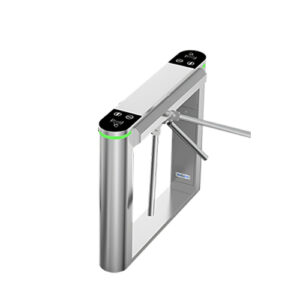
1. Tripod Turnstile
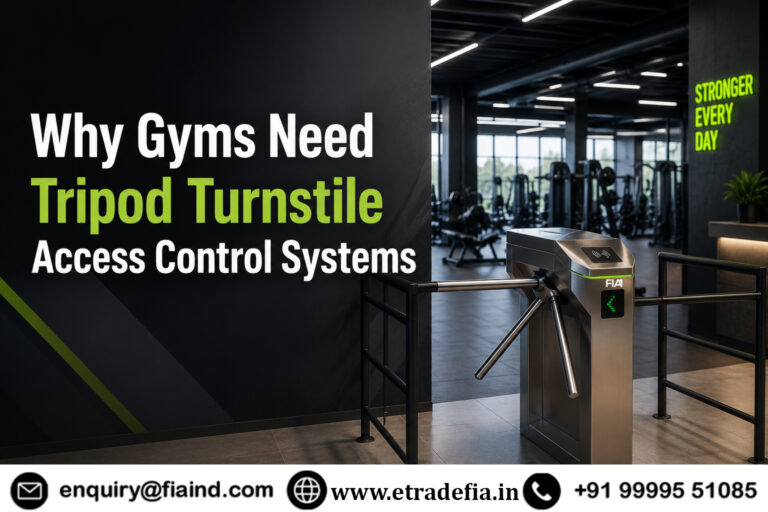
Tripod turnstiles are among the most common and cost-effective solutions. They use three rotating arms to control entry and exit.
Best suited for:
- Offices
- Factories
- Staff entry points
- Gyms and fitness centers
They offer durability, reliability, and easy integration with access control systems.
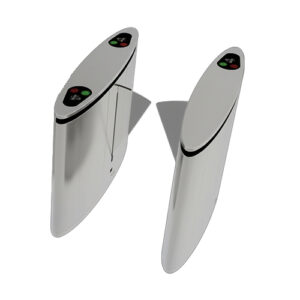
2. Flap Barrier Turnstile
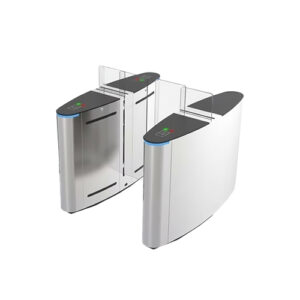
A flap barrier uses retractable panels that open and close automatically. It provides faster access and a more modern appearance.
Best suited for:
- Corporate offices
- Metro stations
- Airports
- Commercial buildings
Flap barrier systems offer better user experience, faster throughput, and improved aesthetics.
3. Full Height Turnstile
Full height turnstiles provide maximum security. They prevent climbing or bypassing, making them ideal for sensitive areas.
Best suited for:
- Industrial sites
- Data centers
- High-security zones
- Restricted facilities
These turnstiles act like a secure door and ensure complete access control.
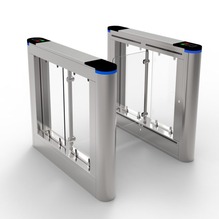
4. Swing Barrier Turnstile
Swing barriers use motorized arms that open like doors. They are ideal for wheelchair access and areas requiring wider entry points.
Best suited for:
- Hospitals
- Corporate buildings
- Accessible entry points
They provide convenience while maintaining security.
Consider Integration with Access Control Systems
Modern turnstiles work best when integrated with advanced access technologies such as:
- RFID card readers
- Biometric fingerprint scanners
- Face recognition systems
- QR code readers
- Mobile access control
Integration improves security and allows automated monitoring. It also helps organizations track attendance, manage visitor access, and improve operational efficiency.
Evaluate Installation Environment
The installation location plays a major role in selecting the right turnstile.
Indoor Installation
Indoor turnstiles can focus more on design, speed, and user comfort. Stainless steel models with modern finishes are ideal for corporate environments.
Outdoor Installation
Outdoor turnstiles must be weather-resistant and durable. They should withstand dust, rain, and temperature variations. Full height turnstiles are often preferred for outdoor use due to their high security.
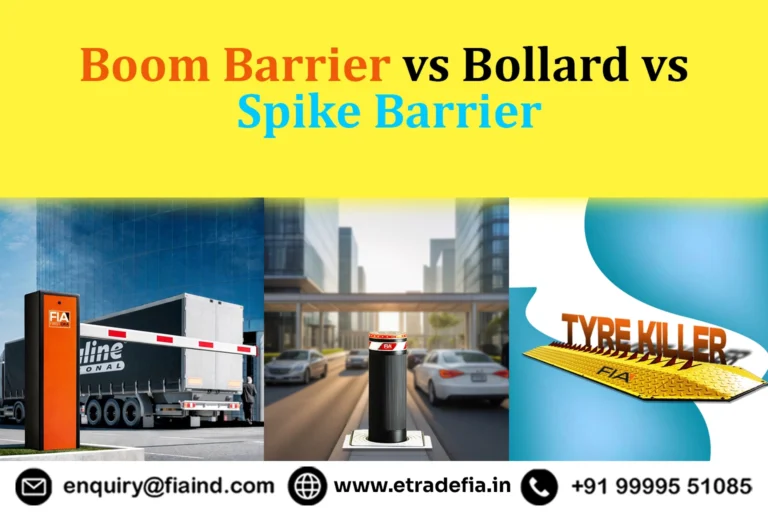
For vehicle access control in outdoor areas such as parking lots, boom barrier systems are commonly used alongside pedestrian turnstiles to create a complete access management solution.
Focus on Security Level and Traffic Volume
Different facilities require different levels of security.
- Low traffic areas: Tripod turnstiles are sufficient
- Medium traffic areas: Flap barriers provide faster throughput
- High security areas: Full height turnstiles offer maximum protection
High-traffic environments such as metro stations benefit from fast-operating systems like flap barrier turnstiles to avoid congestion.
Ensure Compatibility with Complete Entrance Control Systems
A turnstile is often part of a larger security ecosystem. Combining pedestrian control with vehicle control systems enhances overall protection.
For example:
- Boom barrier solutions help manage vehicle entry and exit
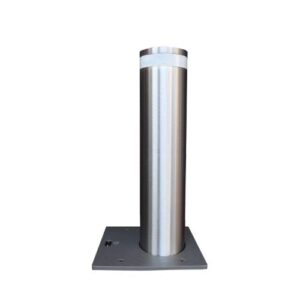
- Bollard systems protect against unauthorized vehicle intrusion
- Flap barrier systems improve pedestrian access management
Using these systems together creates a layered and highly effective access control strategy.
Check Build Quality and Durability
A high-quality turnstile should be made from durable materials such as stainless steel. This ensures long-term performance and minimal maintenance.
Look for features such as:
- Anti-corrosion body
- Smooth operation mechanism
- Reliable motor system
- Emergency unlock function
- Low maintenance design
Investing in a reliable turnstile reduces operational issues and ensures consistent performance.
Consider User Experience and Accessibility
A good turnstile solution should balance security with convenience. Smooth operation, fast response, and quiet performance improve user satisfaction.
For public areas, accessibility is also important. Swing barriers or wider lanes can support wheelchair users, elderly individuals, and people carrying luggage.
Modern systems are designed to provide both security and ease of use without creating inconvenience.
Plan for Future Expansion and Scalability
As your organization grows, your security needs may change. Choose a turnstile solution that supports future upgrades and integrations.
Scalable systems allow integration with new technologies such as mobile access, cloud-based monitoring, and advanced biometric authentication.
This ensures your investment remains useful for years to come.
Choose a Trusted Supplier for Reliable Solutions
Selecting the right supplier is as important as choosing the right product. A trusted provider offers quality products, expert guidance, and reliable support.
A professional supplier helps you:
- Select the best turnstile based on your needs
- Ensure proper installation
- Provide integration with access control systems
- Offer ongoing technical support
This ensures smooth implementation and long-term reliability.
Final Thoughts
Choosing the perfect turnstile requires careful evaluation of your facility, security requirements, traffic volume, and integration needs. Whether you select a tripod turnstile, flap barrier, or full height turnstile, the right solution will improve security, streamline access, and enhance operational efficiency.
Turnstiles work best when combined with complete entrance control systems such as boom barrier solutions for vehicle management and bollard systems for perimeter protection. Together, these solutions create a secure, organized, and professional entry environment.
By investing in the right turnstile solution and working with a trusted provider like Etradefia, you can ensure reliable access control that meets your current and future security needs while enhancing the overall safety of your facility.
 Spike Barrier 400P
  SL 100
  X-Ray Baggage Scanner 1080
  HHMD 50
  Automatic Hydraulic Bollard 168
  TURNER B250
  X-Ray Baggage Scanner 8065
  FLIP SW10
  Flaptile R100
 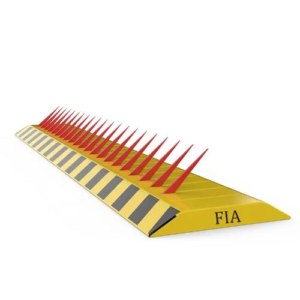 Spike Barrier 400H