
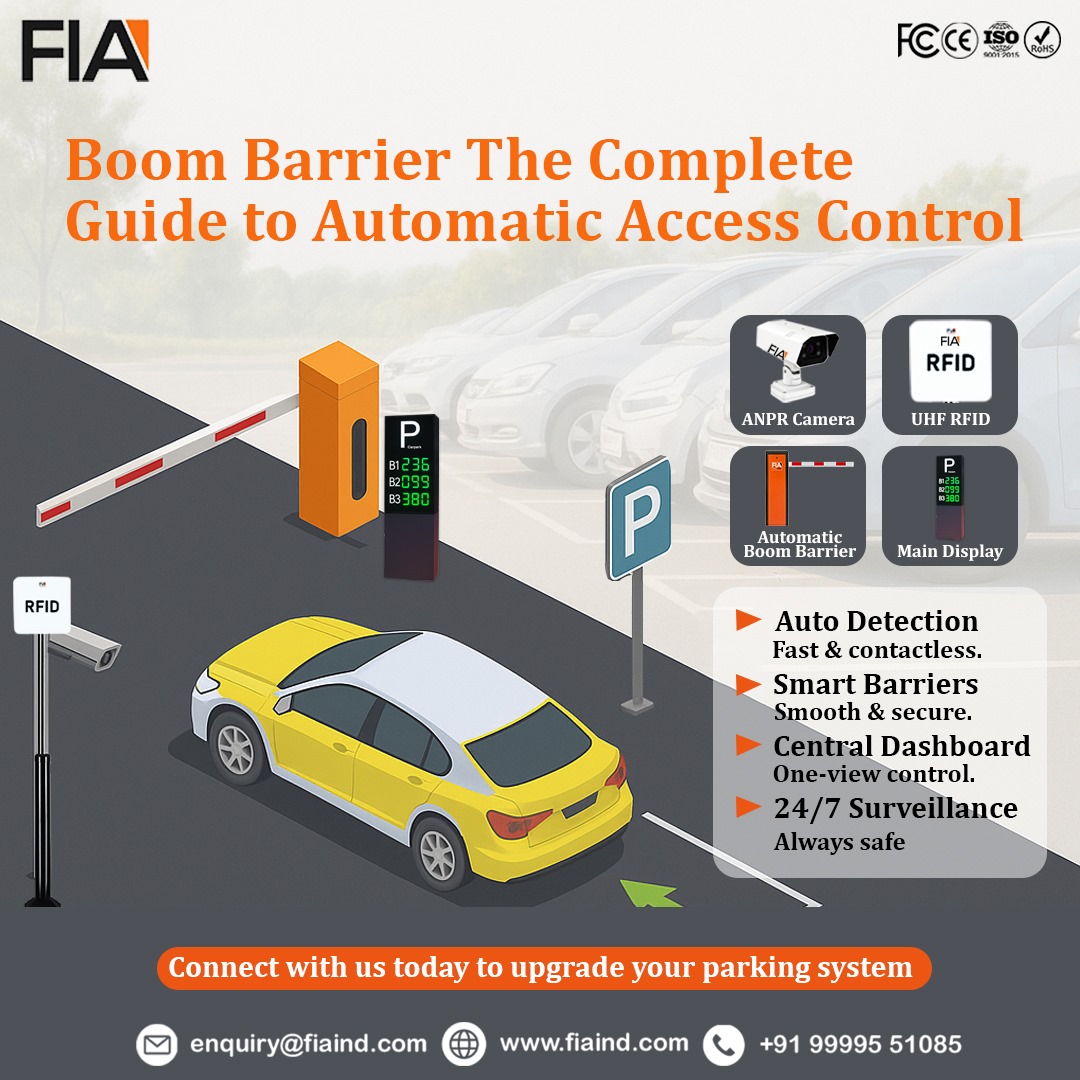
Controlling and securing vehicle entry points is crucial for businesses, residential complexes, and public facilities. Among the most reliable access control solutions, the Boom Barrier Gate stands out for its effectiveness, speed, and automation capabilities. This comprehensive guide explains everything about boom barriers from how they work to the latest innovations and installation best practices.
What is a Boom Barrier?
A Boom Barrier, also known as a Boom Gate, is a horizontal bar or arm that blocks vehicle access until permission is granted. It operates manually or automatically to regulate entry and exit at parking lots, toll booths, industrial gates, and residential complexes.
Modern Automatic Boom Barrier Gates integrate advanced sensors, RFID systems, and access control units to ensure smooth, contactless operation. These barriers enhance security while improving traffic flow at high-traffic checkpoints.
Key Functions:
- Control vehicle access automatically or manually.
- Restrict unauthorized entry.
- Manage large-scale traffic efficiently.
- Integrate with advanced security systems.
How Boom Barriers Work
A boom barrier operates through an electromechanical or hydraulic mechanism that controls vehicle entry and exit. When an authorized signal—such as from a remote, RFID card, or sensor—is received, the control unit activates a motor that lifts the boom arm, allowing passage. Once the vehicle clears the detection area, the arm automatically lowers to block entry again. Safety sensors prevent the arm from closing on vehicles or pedestrians. In high-end Automatic Boom Barrier Gate systems, microprocessors manage precise timing and motion control for smooth operation. They can also integrate with ticketing, CCTV, or access control systems.
During power outages, manual release options ensure continued operation. This seamless mix of mechanical precision and electronic automation makes boom barriers essential for reliable and secure traffic management in modern facilities. A boom barrier operates through a combination of mechanical movement and electronic control. The barrier arm is raised or lowered using:
- Motorized drive units (electromechanical or hydraulic).
- Sensor-based triggers such as RFID tags or vehicle detection loops.
- Control panels or remote-access devices.
When an authorized signal is received, the motor lifts the barrier arm, allowing the vehicle to pass. Afterward, it automatically closes. In emergency conditions, manual override options ensure functionality even during power failures.
Modern systems often feature:
- Microprocessor-based controllers.
- Adjustable opening speeds.
- Safety sensors for obstacle detection.
- Integration with ticketing or card systems.
These features make Automatic Boom Barrier Gates ideal for commercial, industrial, and residential applications.
Types of Boom Barriers
Boom barriers come in multiple types, each designed to meet specific site requirements and usage intensity. Manual boom barriers are operated by hand, making them suitable for low-traffic areas like small offices or gated colonies. Automatic boom barriers use motors and sensors for effortless operation in busy locations such as toll plazas and commercial complexes. Electromechanical barriers combine electrical motors with mechanical arms for precision and durability. Hydraulic boom barriers use hydraulic pressure, offering smoother operation and greater endurance for industrial or heavy-duty applications.There are several types of boom barriers, each designed for specific use cases and levels of automation:
- Manual Boom Barriers
- Operated manually using a lever.
- Cost-effective and suitable for low-traffic areas.
- Minimal maintenance required.
- Operated manually using a lever.
- Automatic Boom Barriers
- Controlled by sensors, RFID, or remote systems.
- Best for high-traffic environments.
- Offers seamless integration with smart access systems.
- Controlled by sensors, RFID, or remote systems.
- Hydraulic Boom Barriers
- Powered by hydraulic pressure.
- Extremely durable and suitable for heavy-duty industrial usage.
- Powered by hydraulic pressure.
- Electromechanical Boom Barriers
- Motor-driven with gear mechanisms.
- Provides precision control and high reliability.
- Motor-driven with gear mechanisms.
Each type of Boom Barrier Gate offers a balance between automation, durability, and cost depending on operational needs.
Applications of Boom Barriers
Boom barriers play a vital role across multiple industries and facilities:
- Parking Lots & Garages: For automated ticketing and vehicle entry control.
- Toll Plazas: To manage highway traffic and payment systems efficiently.
- Residential Complexes: Ensures only authorized vehicles enter premises.
- Industrial Facilities: Restricts access to sensitive or restricted zones.
- Hospitals & Educational Institutions: Maintains safety and order within campuses.
- Commercial Buildings: Manages employee and visitor vehicle access seamlessly.
Using an Automatic Boom Barrier Gate helps maintain order, prevents congestion, and enhances overall site security.
Top Boom Barrier Brands in India (2025 Update)
India’s boom barrier market is dominated by several trusted brands known for reliability and advanced automation features. EtradeFia leads with robust and customizable Boom Barrier Gates ideal for industrial and commercial applications. FAAC and NICE, both Italian manufacturers, provide premium electromechanical and hydraulic barriers known for smooth, noise-free operation. Magnetic AutoControl offers precision-engineered products with superior sensor integration, ideal for toll and metro systems. Came and BENINCA focus on smart automation with energy-efficient motors and IoT compatibility. BFT and ParkingRhino are also gaining popularity for offering affordable yet durable systems tailored for Indian conditions.
While prices and features vary, these brands consistently deliver reliable performance, responsive after-sales support, and integration with RFID, ANPR, and access control solutions—making them top choices in 2025 for modern security automation projects.India’s security automation market has grown significantly, with multiple leading brands offering advanced boom barrier solutions.
Some top-performing names include:
- EtradeFia – Offers durable and customizable boom barrier gates for industrial and commercial sites.
- FAAC – Known for high-performance hydraulic systems.
- NICE – Italian-made designs focused on smooth operation.
- Magnetic AutoControl – Premium solutions with cutting-edge control systems.
- Came – Offers smart access integration options.
When selecting a brand, consider:
- Duty cycle (operation frequency)
- Warranty and support availability
- Integration capability with access control systems
Installation, and Maintenance
Installation Process:
- Site inspection and planning.
- Foundation setup with power line provision.
- Boom arm mounting and system calibration.
- Integration with control software or RFID system.
- Testing and final commissioning.
Maintenance Tips:
- Lubricate mechanical joints monthly.
- Inspect sensors regularly for dust or obstruction.
- Update control software periodically.
- Schedule quarterly servicing for longevity.
A properly installed and maintained Boom Barrier Gate ensures years of reliable, trouble-free performance.
Boom Barrier vs Gate Barrier: What’s the Difference?
Although often used interchangeably, boom barriers and gate barriers serve slightly different purposes. A Boom Barrier Gate features a horizontal arm that lifts or lowers to control vehicle access—ideal for driveways, parking areas, and toll booths. In contrast, a Gate Barrier can include sliding, swing, or vertical lift gates, typically designed for both pedestrian and vehicle entry points.
Boom barriers focus on fast, frequent movement and automated control, while gate barriers emphasize stronger physical security for restricted zones. Boom barriers are compact, quick to install, and integrate easily with RFID or ticketing systems. Gate barriers, on the other hand, require more space and are used where complete enclosure is necessary. In summary, boom barriers are perfect for managing traffic flow efficiently, while gate barriers are best suited for sites requiring maximum perimeter protection.While both terms are often used interchangeably, there’s a subtle difference:
- Boom Barrier: Typically a horizontal arm for vehicle access.
- Gate Barrier: A broader term that may include vertical gates, sliding barriers, or folding gates.
For vehicle control and automation, Automatic Boom Barrier Gates are preferred due to their speed, cost-efficiency, and easy integration with modern systems.
Automatic Boom Barrier Systems
An Automatic Boom Barrier System uses motorized operation triggered by access credentials such as RFID tags, QR codes, or license plate recognition.
These systems enhance both security and efficiency in vehicle management.
Advantages:
- Fully automated with remote control options.
- Can integrate with building management and CCTV systems.
- Reduces the need for manual supervision.
Modern systems offer IoT compatibility, making them part of smart city infrastructure.
Boom Barrier Installation Guide
Proper installation ensures smooth and long-lasting boom barrier performance. Start by conducting a site survey to assess traffic direction, space availability, and power requirements. Install a solid foundation, typically a concrete base, to anchor the barrier housing. Next, position the barrier unit at an appropriate distance from the entry point, ensuring unobstructed arm movement. Connect electrical wiring and integrate control components such as sensors, RFID readers, or push-button panels. Adjust the lifting mechanism, counterweights, and safety settings.
Test the Automatic Boom Barrier Gate several times to confirm accurate operation and obstacle detection. Finally, apply protective coverings and signage for visibility. Professional installation not only ensures safety but also extends the system’s lifespan. Regular calibration and alignment checks post-installation maintain efficiency, minimize downtime, and guarantee optimal performance under high-traffic conditions.Proper installation is essential for optimal performance.
Step-by-Step Process:
- Choose the correct barrier type based on traffic flow.
- Ensure foundation and power setup align with manufacturer standards.
- Mount the barrier cabinet securely.
- Connect control panel and safety sensors.
- Test automatic lifting and safety functions.
Pro Tip:
Use professional technicians experienced in Automatic Boom Barrier Gate setup to avoid misalignment or wiring faults.
Boom Barrier for Parking Management
In modern parking systems, boom barriers are essential for managing entry and exit seamlessly. They work alongside RFID, ticketing, and ANPR cameras to automate vehicle identification and payment collection. When a vehicle approaches, the system verifies credentials and raises the arm automatically. This reduces waiting time and manual dependency while ensuring security. Automatic Boom Barrier Gates in parking areas also prevent unauthorized access, monitor real-time occupancy, and integrate with smart parking management software.In parking systems, Boom Barrier Gates are used with:
- RFID readers
- Ticket dispensers
- Automatic Number Plate Recognition (ANPR)
This combination provides seamless, contactless entry and exit. It also enables real-time data tracking for better parking management.
Benefits:
- Reduces wait times.
- Prevents unauthorized parking.
- Enhances safety through monitoring systems.
Best Boom Barrier Brands & Prices in India (2025 Update)
As of 2025, India’s boom barrier prices depend on size, motor type, and integration level. Manual barriers suitable for low-traffic use. Automatic electromechanical barriers ideal for offices, malls, and toll booths. Heavy-duty hydraulic barriers designed for industrial zones can.Leading brands such as EtradeFia, FAAC, Came, and Magnetic offer products tailored for durability and precision. Some include advanced features like RFID compatibility, IoT monitoring, and solar support. While price is important, buyers should prioritize reliability, service network, and warranty coverage. Opting for a trusted brand ensures long-term savings, lower maintenance costs, and seamless integration with other access systems. Always evaluate site conditions and traffic frequency before final selection.The market offers multiple options for different budgets and use cases.
Price Factors Include:
- Barrier length
- Motor type (hydraulic/electromechanical)
- Integration features (RFID, IoT, ANPR)
- Brand reputation and support network
When comparing models, prioritize durability, warranty, and integration compatibility with your existing security infrastructure.
RFID Boom Barrier Solutions
RFID Boom Barrier Solutions enable automated vehicle entry through contactless identification. Each authorized vehicle carries an RFID tag linked to a database. When the car approaches, the RFID reader detects the tag, verifies credentials, and signals the barrier to open. This entire process takes less than a second, making it ideal for high-traffic areas such as residential societies, offices, and toll gates. RFID systems improve efficiency, reduce manpower, and prevent unauthorized entry. They also generate digital records for attendance, billing, or visitor tracking.RFID-enabled boom barriers offer contactless vehicle access using RFID tags or cards.
Once a vehicle with a valid tag approaches, the system automatically identifies it and opens the barrier.
Benefits:
- Fast access for registered vehicles.
- Reduces manual labor.
- Integrates with attendance and billing systems.
RFID-based Automatic Boom Barrier Gates are ideal for large campuses, corporate parks, and gated communities.
Maintenance & Troubleshooting Tips
Regular maintenance keeps boom barriers running smoothly and extends their lifespan. Inspect the barrier arm weekly for balance and wear. Clean sensors and reflective surfaces to ensure accurate detection. Lubricate mechanical joints monthly to reduce friction and noise. Periodically check electrical connections, fuses, and control panels for faults. Common issues include slow arm movement (often due to low voltage), unresponsive sensors, or erratic operation from faulty control boards.
Troubleshooting begins by testing the power supply and verifying sensor alignment. Always use genuine spare parts to avoid premature failure. Schedule preventive maintenance every quarter for heavy-use barriers. Keeping your Boom Barrier Gate serviced ensures consistent performance, reduces downtime, and maintains safety standards. Routine maintenance extends the life of your boom barrier system.
Checklist:
- Inspect arm alignment weekly.
- Clean sensors and safety beams.
- Update software regularly.
- Replace worn-out components immediately.
Common Issues:
- Motor overheating → Check duty cycle.
- Barrier arm not lifting → Inspect sensors or control board.
- Noise during operation → Lubricate hinges and joints.
Industrial & Commercial Applications
Boom barriers are indispensable in industrial and commercial environments where security and access control are paramount. At factories and logistics hubs, they regulate truck and employee entry, reducing unauthorized access. Corporate campuses and malls use Automatic Boom Barrier Gates for smooth traffic flow during peak hours. In warehouses, they support RFID-based fleet management systems. Ports and airports rely on them to secure loading areas and control cargo movement.
Commercial properties also integrate boom barriers with surveillance and visitor management platforms for real-time tracking. Their adaptability, speed, and reliability make them suitable for diverse sectors—from retail to heavy industry. Overall, boom barriers contribute to safer, more organized, and efficient facility operations across multiple industries.Boom barriers are critical in industrial environments, logistics hubs, and commercial complexes.
Use Cases:
- Vehicle verification at entry gates.
- Employee vehicle tracking.
- Integration with CCTV and alarm systems.
These Boom Barrier Gates ensure only authorized access, minimizing security risks and improving operational control.
Smart Access Control Integration
Smart integration transforms traditional boom barriers into intelligent access management systems. When combined with RFID, biometric scanners, QR code readers, and ANPR cameras, the Automatic Boom Barrier Gate becomes part of a unified security network. These systems connect to cloud-based dashboards, enabling administrators to monitor entry logs and control gates remotely. Integration with IoT and AI allows predictive maintenance alerts and usage analytics. Businesses can also link them to HR attendance or visitor software for seamless automation.Modern Automatic Boom Barrier Gates integrate with:
- Access Control Systems (RFID, biometric, or keycard)
- ANPR Cameras for license plate recognition
- IoT Dashboards for monitoring usage data
Such integration enhances security visibility and automation efficiency in smart city and corporate environments.
Eco-Friendly & Energy-Efficient Barriers
Sustainability is increasingly shaping the design of modern boom barriers. Solar-powered boom barriers use photovoltaic panels to operate without grid electricity, making them ideal for remote areas and eco-conscious facilities. These energy-efficient systems reduce power costs and carbon emissions. Additionally, manufacturers now use recyclable materials and low-energy motors to minimize environmental impact. Automatic Boom Barrier Gates with standby power-saving modes further enhance efficiency.As sustainability becomes a key factor in infrastructure, solar-powered boom barriers are gaining traction.
Advantages:
- Energy-efficient operation.
- Reduced power consumption.
- Suitable for remote or off-grid installations.
By adopting solar boom barrier systems, organizations contribute to green infrastructure while lowering operating costs.
Conclusion
The Boom Barrier Gate is more than just a physical barrier — it’s a smart, automated access control solution designed to enhance security, efficiency, and convenience. Whether used in residential complexes, toll plazas, or industrial areas, it ensures safe and seamless vehicle management.
Choosing the right Automatic Boom Barrier Gate depends on your site’s traffic volume, integration needs, and budget. With proper installation and maintenance, these systems can serve reliably for years while supporting your facility’s security ecosystem.
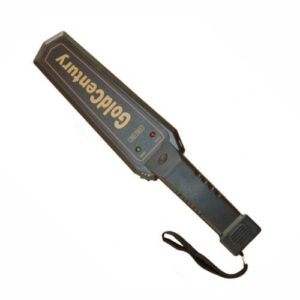 HHMD 200
 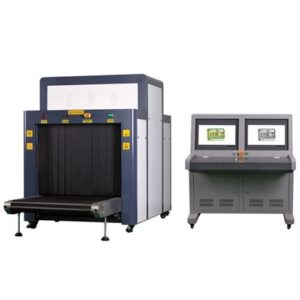 X-Ray Baggage Scanner 1010